
Where pop culture meets psychology.
Mind Over Chatter is a youth-led space where what you watch becomes a doorway into psychology. Through peer-based resources and media analysis, we make difficult conversations about mental health easier to start, using a language teens already speak. We leave students with stronger critical thinking and practical tools they can actually use.

What students have to say:
Curriculum Overview
Mind Over Chatter offers a media-based mental health literacy curriculum that helps teens interpret what they watch through a psychology lens, building critical thinking, emotional vocabulary, and practical tools they can use in real life.
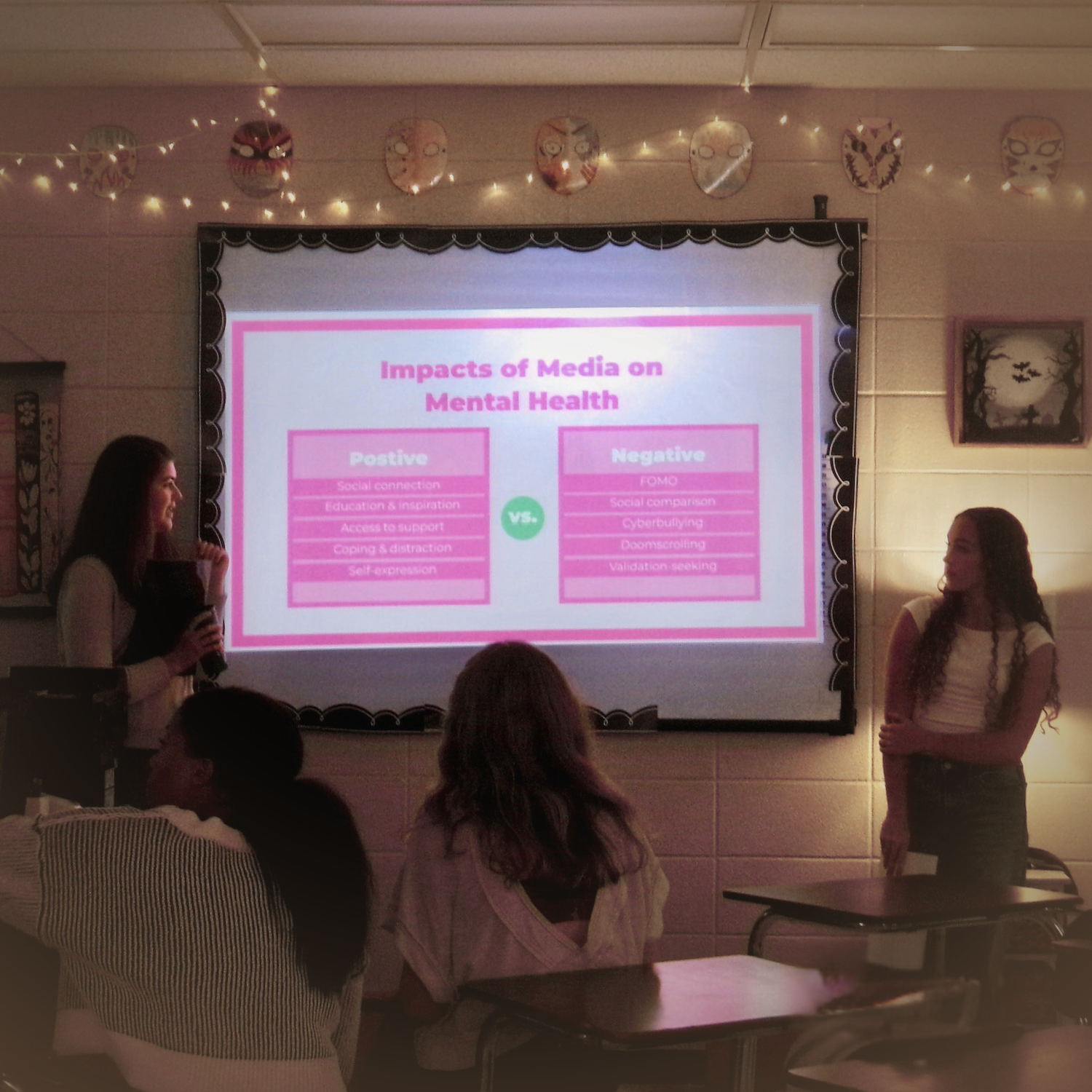
Media and Mental Health Literacy
Learn how movies, shows, and social media portray anxiety and stress, and how to spot stigma, glamorization, and misinformation before it shapes what you think is normal.
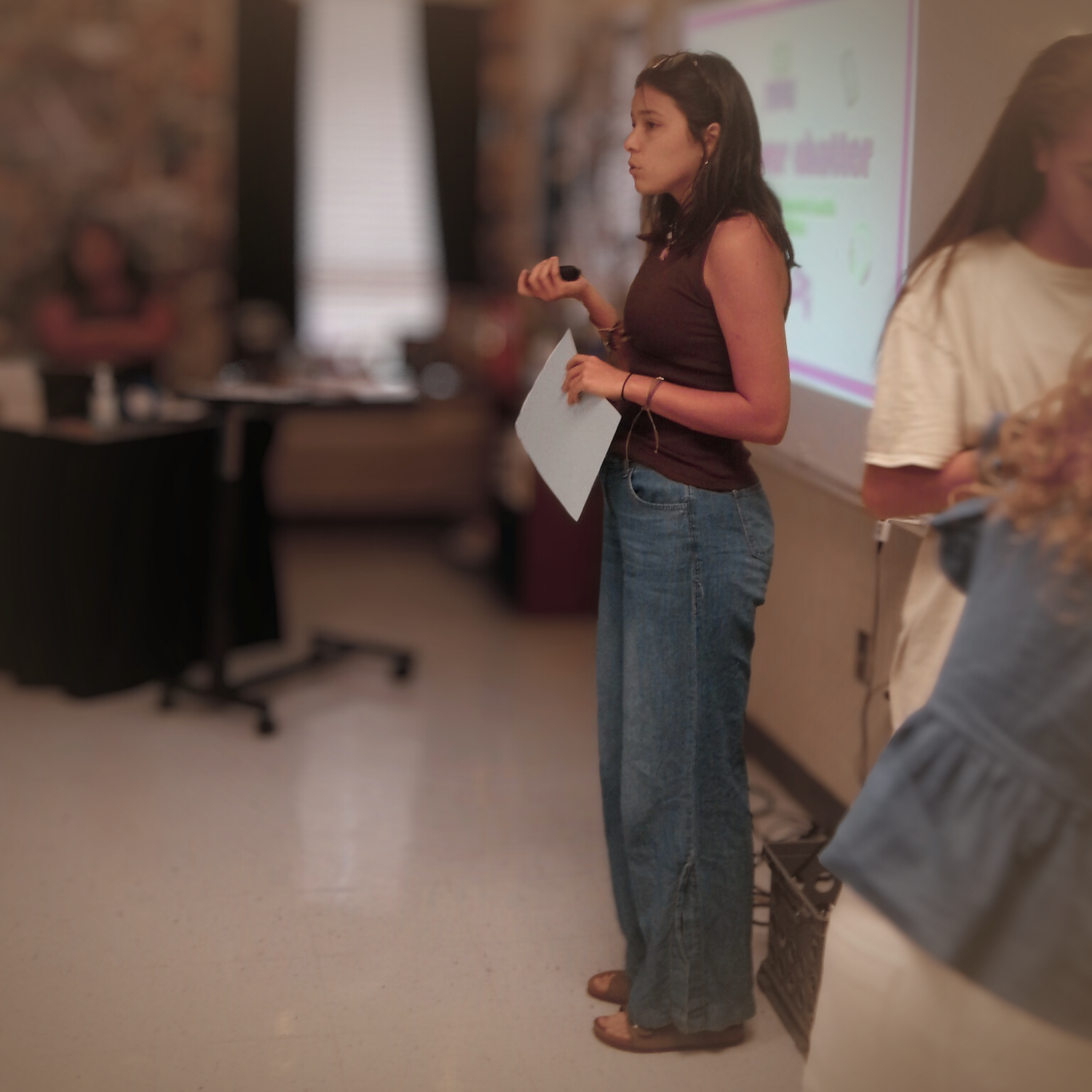
Identity and Self-Concept
Characters and representation become a mirror for self-image and belonging, including how anxiety and stress can distort the way you see yourself and your place with other people.
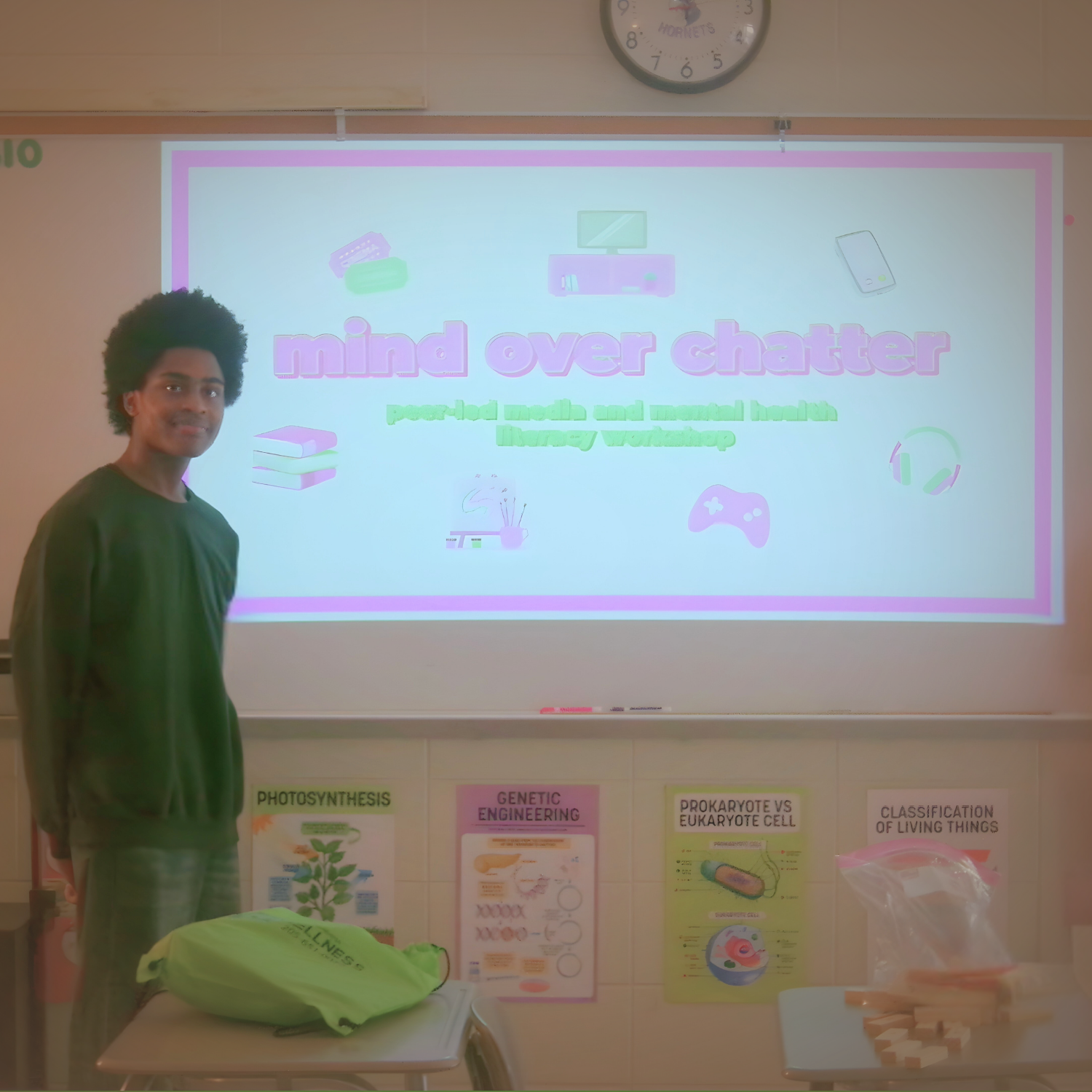
Coping and Resilience
We break down how stress shows up in your thoughts, body, and behavior, then practice realistic coping strategies and build resilience skills you can use under pressure and after setbacks.
Relationships and Attachment
Use on-screen dynamics to understand boundaries and communication, plus how anxiety and stress can drive conflict, reassurance-seeking, avoidance, or shutdown.
Building a Personal Toolkit
Leave with a practical toolkit that combines clearer media interpretation with anxiety and stress coping options and a simple support plan for yourself or a friend.